Why Kiwi Farmers Are Switching to Recycled Plastic Fencing This Autumn
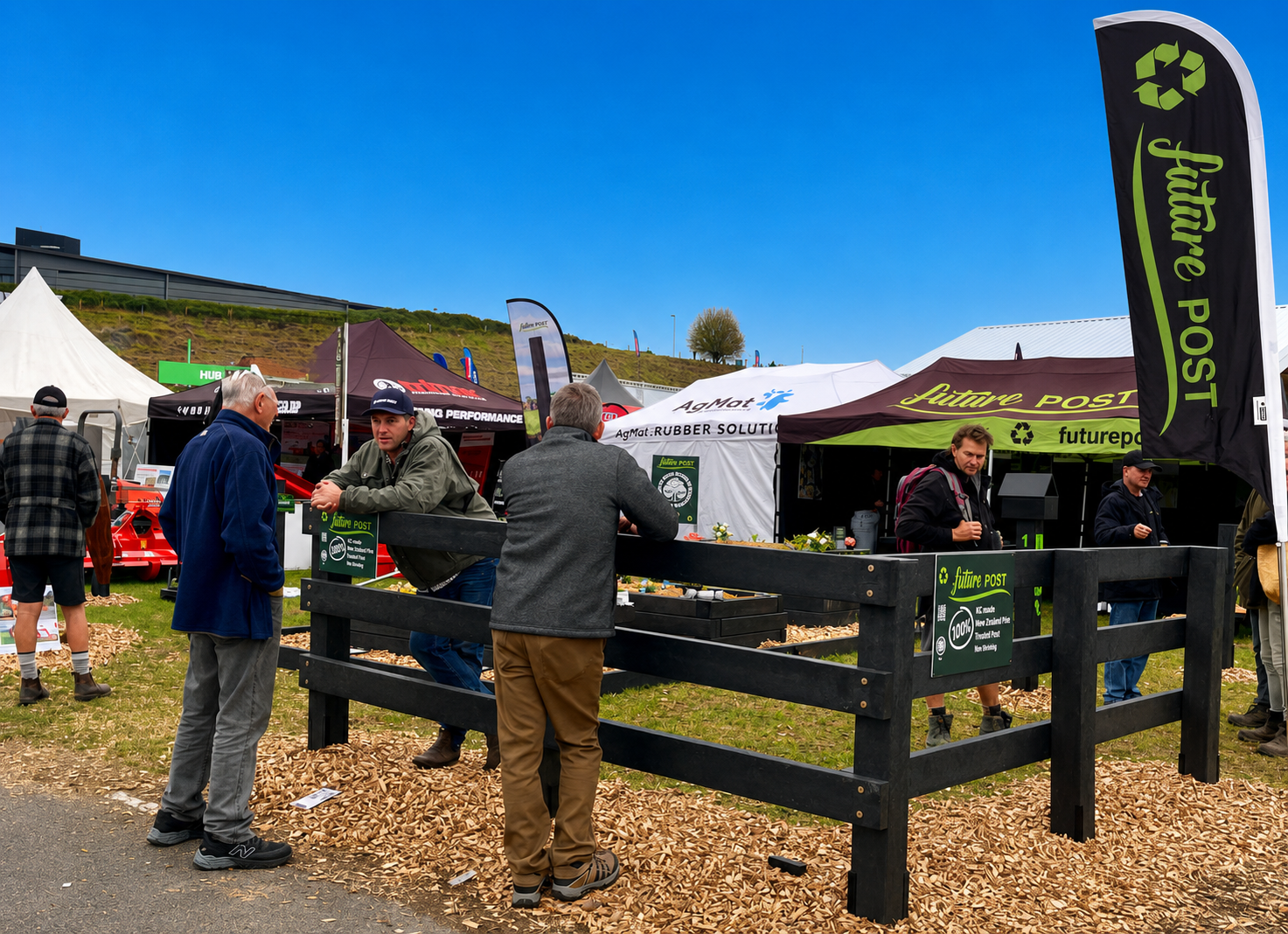
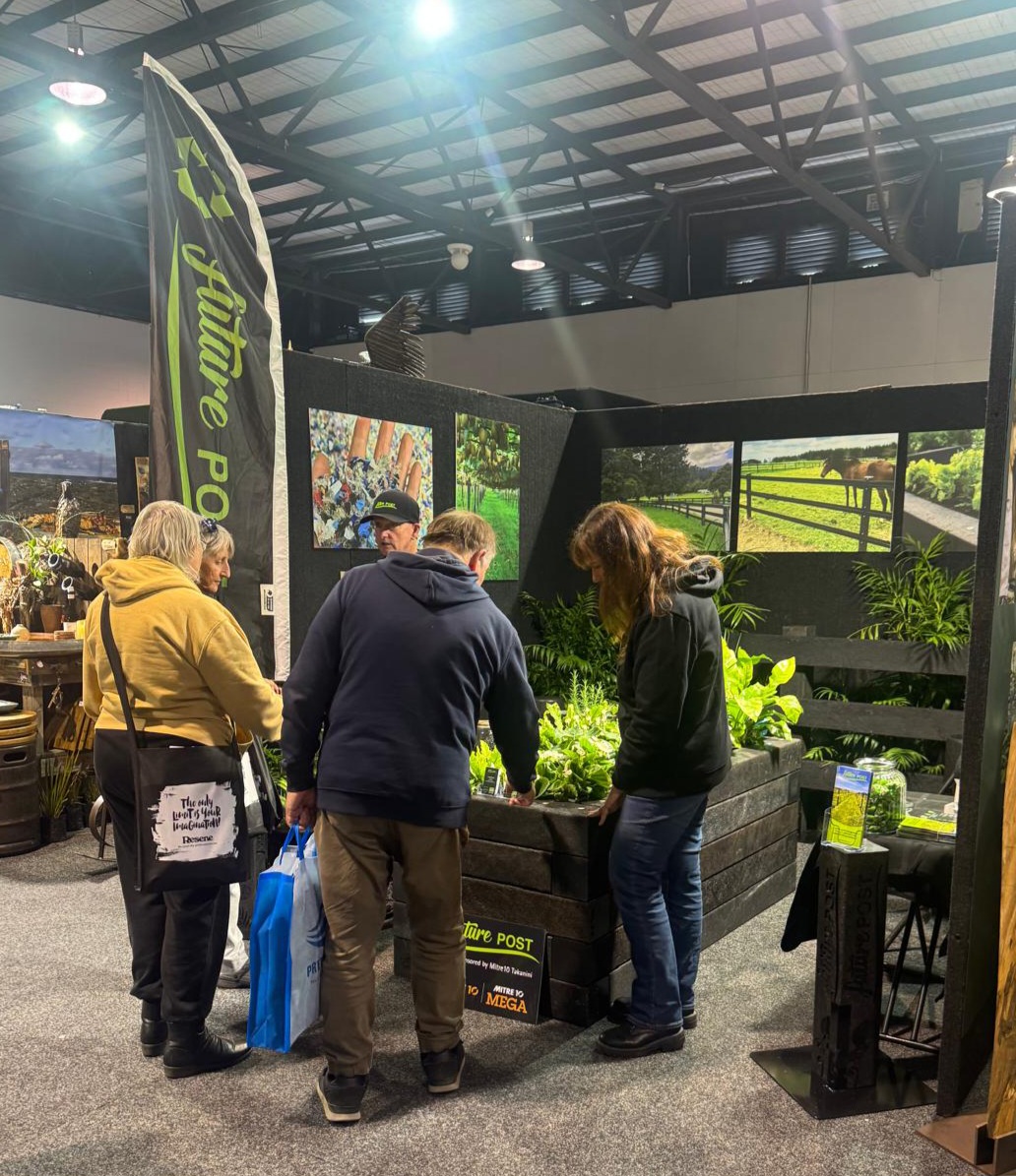
As we move into autumn across New Zealand, many farmers are turning their attention to preparing fences and boundaries for the wetter months ahead. In that planning, a growing number of producers are choosing recycled-plastic fencing from Future Post over traditional timber, and for good reason.
🚜 Strong, Durable, and Farm-Ready
Future Posts are made from 100 % recycled waste plastic, diverted from landfill and transformed into solid, UV-stabilised fencing posts that are as strong as timber but with added flexibility. Unlike traditional wood, they won’t split, rot, or crack, even in damp or challenging ground conditions.
This durability makes them ideal for common farm applications like:
- electric fencing and stock runs
- waterways, internal, and boundary fencing
- wetlands and bush blocks
- organic farming blocks where chemical leaching is a concern
- areas prone to moisture and flooding
Traditional timber posts treated with CCA (Copper, Chromium, Arsenic) can leach chemicals into soils, a particular worry around waterways. Future Posts are CCA-free and BioGro organic certified, giving farmers peace of mind about environmental impact.
💡 Better Performance, Lower Ongoing Costs
Another practical advantage? Future Posts are non-conductive, meaning with electric fences you can staple wire directly to the post without needing insulators, a saving in both time and cost during installation.
Their consistent size and high density also make them ideal to handle, cut, drill, bolt, nail, or staple. Installation guidelines are provided, and Future Post has a friendly team of experts who can assist with any questions in an agricultural setting.
🐄 Built for Real Farm Conditions
Farmers also appreciate that livestock won’t chew these posts. Horses, goats, cattle and other stock commonly leave traditional wooden posts damaged. With Future Posts, that’s not a concern, saving on repair costs and downtime.
Plus, with their added flex, posts stay put under heavy machinery knocks and stock pressure in busy yards or gate areas, making them a reliable choice season after season.
♻️ A Sustainable Choice On and Off the Farm
Beyond performance, one of the biggest reasons farmers are switching is sustainability. Future Posts use recycled plastics that would otherwise go to landfill, helping divert significant volumes of waste each year – 1932 tonnes recycled YTD! Each post can contain the equivalent of hundreds of milk bottles and plastic bags, contributing to a circular economy right here in New Zealand.
This aligns well with the values of many producers investing in environmental stewardship, regenerative practices, and long-term land health. It’s not just about stronger fencing, it’s about reducing environmental impact while supporting productive farming.
As autumn sets in and rural projects get underway, it’s no surprise that more Kiwi farmers are considering recycled-plastic fencing solutions. With long-term performance, environmental benefits, and practical advantages over treated wood, recycled plastic fences from Future Post are proving themselves to be a smart investment for farms of all sizes.